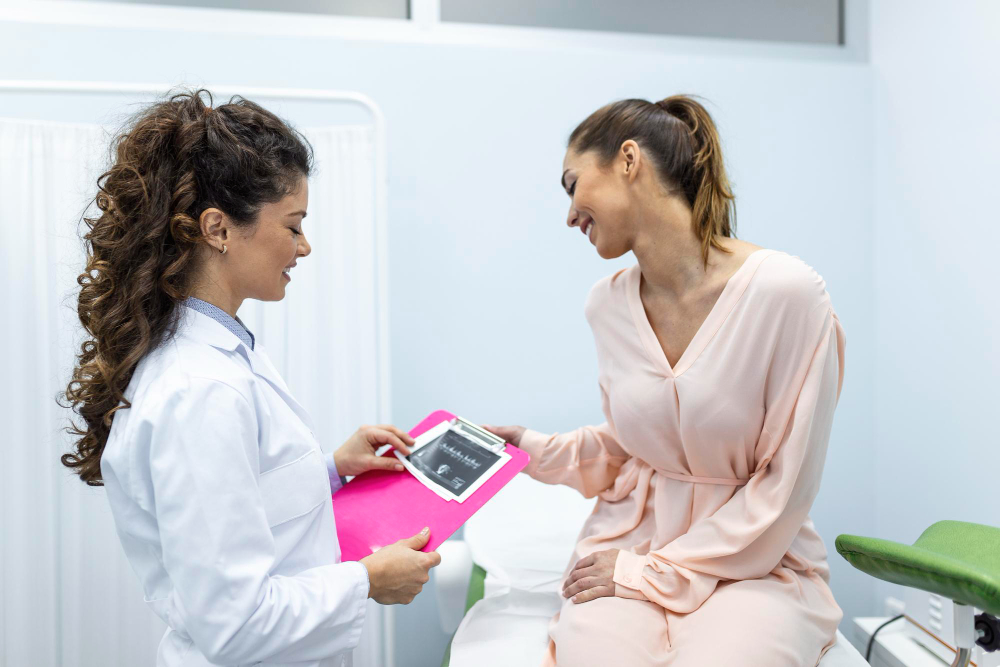
What is a Preconception Health Check?
Before trying to have a baby, many women choose a preconception health check. This check helps you prepare for pregnancy and supports women’s health before conception. During this visit, a doctor reviews your health, family history, and lifestyle. They may suggest pre-pregnancy medical tests to spot any health issues early. As a result, you can make changes that help both you and your future baby.
Why is Preconception Health Important?
Good health before pregnancy can lower risks for you and your baby. For example, the CDC says healthy habits before conception can prevent birth defects and pregnancy problems. In addition, knowing your health status helps you plan better. Many health issues, such as diabetes or high blood pressure, can affect pregnancy. However, early care can improve outcomes for both mother and child.
Key Steps in Preparing Your Body Before Pregnancy
Taking steps before pregnancy can boost your chances of a healthy baby. Here are some important actions to consider:
Moreover, your doctor may suggest more steps based on your personal needs.
Common Preconception Medical Tests and Screenings
Doctors often recommend certain tests before pregnancy. These tests help spot health issues early. Some common pre-pregnancy medical tests include:
According to the World Health Organization, these tests can help prevent problems during pregnancy. Always ask your doctor which tests are right for you.
Lifestyle Changes for Better Pre-Pregnancy Health
Healthy habits make a big difference when preparing for pregnancy. For instance, eating a balanced diet gives your body the nutrients it needs. Here are some tips for better pre-pregnancy health:
Additionally, taking a daily prenatal vitamin with folic acid can help prevent birth defects.
When to Consult a Healthcare Provider
You should see a healthcare provider before trying to get pregnant. Especially if you have a chronic health condition, early advice is important. Even if you feel healthy, a preconception health check can reveal hidden issues. Your doctor can guide you on safe medicines, needed vaccines, and healthy habits. Therefore, do not wait until you are pregnant to seek help.
Frequently Asked Questions (FAQ)
In summary, a preconception health check is a smart step for anyone preparing for pregnancy. It helps you spot and manage health issues early. For the best results, consult Dr. Ankita Ghatak for personalized preconception advice.