Introduction
Many women experience painful periods, but sometimes the cause is not clear. Adenomyosis is a hidden reason for this pain. In adenomyosis, the tissue that lines the uterus grows into its muscle wall. This can lead to heavy bleeding and strong cramps. Because symptoms can look like other problems, adenomyosis is often missed. However, knowing about this condition can help you find relief.
What is Adenomyosis?
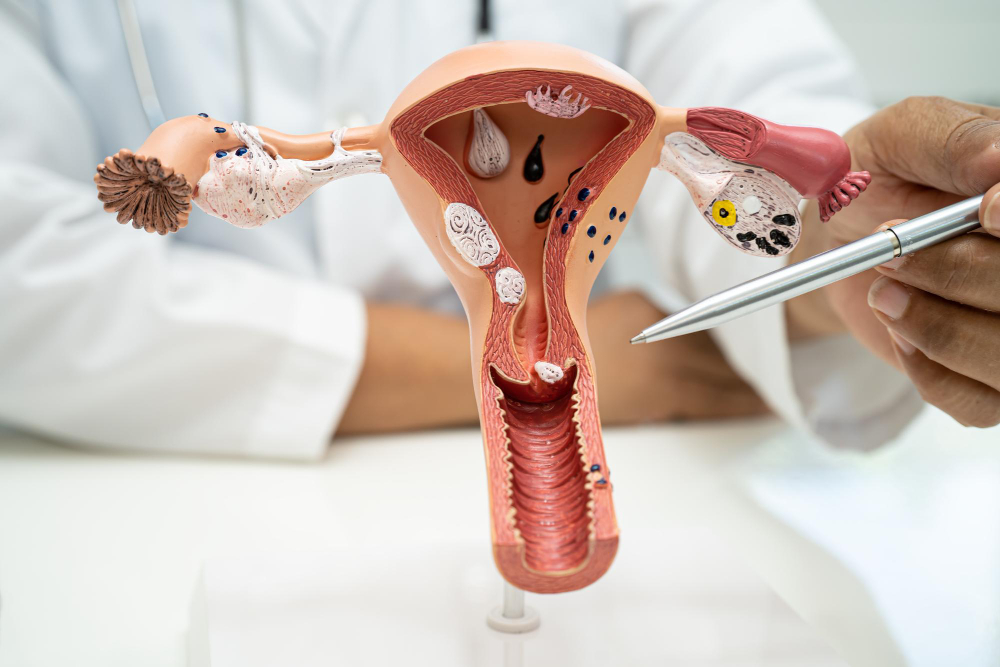
Adenomyosis is a condition where the inner lining of the uterus, called the endometrium, grows into the muscle layer of the uterus. This extra tissue can cause the uterus to become larger and more tender. As a result, many women feel pain, especially during their periods. Although it is not life-threatening, adenomyosis can affect daily life and comfort.
Symptoms of Adenomyosis
Often, symptoms of adenomyosis are similar to other causes of painful periods. Still, some signs can help you spot it. Common symptoms include:
Sometimes, women have mild symptoms or none at all. Yet, if you notice these signs, it is important to talk to a doctor.
Causes and Risk Factors
Doctors are not sure what causes adenomyosis. However, some factors may raise your risk. For example, you may be more likely to get adenomyosis if you:
Although anyone with a uterus can get adenomyosis, these factors make it more common.
How Adenomyosis is Diagnosed
Because adenomyosis shares symptoms with other conditions, it can be hard to diagnose. Still, doctors use several steps to find the cause of painful periods. These may include:
Sometimes, adenomyosis is only confirmed after surgery. However, most cases can be suspected with scans and symptoms.
Treatment Options for Adenomyosis
Treatment for adenomyosis depends on your symptoms and plans for having children. Options include:
For many women, simple treatments can manage symptoms. Yet, severe cases may need more advanced care. If you are looking for adenomyosis treatment in your city, ask your gynecologist about the best options for you.
Lifestyle Tips and Self-Care
Along with medical treatment, some lifestyle changes can help manage adenomyosis symptoms. For example:
Although these tips may not cure adenomyosis, they can make daily life easier.
Prevention and When to See a Doctor
Currently, there is no sure way to prevent adenomyosis. However, early care can help manage symptoms and improve quality of life. If you have painful periods, heavy bleeding, or pelvic pain, do not ignore these signs. Instead, see a gynecologist for advice. Early diagnosis can lead to better treatment and less discomfort.
Conclusion
In summary, adenomyosis is a hidden cause of painful periods for many women. Although it can be hard to spot, knowing the symptoms and seeking help is important. If you experience painful periods, consult Dr. Ankita Ghatak for personalized advice.