What is Premenstrual Syndrome (PMS)?
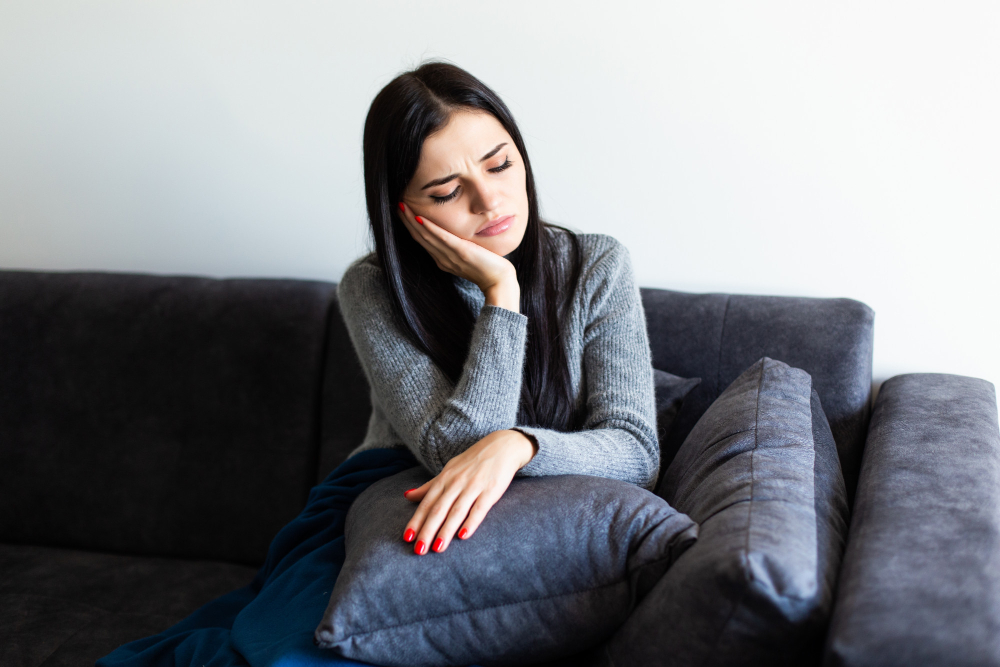
Premenstrual Syndrome, or PMS, is a group of symptoms many women feel before their period. These symptoms can be physical, emotional, or both. For example, some women may feel tired, sad, or have headaches. Others may notice changes in their mood or body. PMS usually starts a week or two before a period and goes away once the period begins. Understanding PMS is important because it affects daily life for many women in the US and around the world.
Common Symptoms of PMS
PMS symptoms can be different for each woman. However, most women notice a mix of physical and emotional changes. Some common PMS symptoms include:
Sometimes, these symptoms can be mild. But for others, PMS symptoms can make daily tasks hard. If you notice these signs often, it may help to track them each month.
Causes and Risk Factors
Doctors are not sure what exactly causes PMS. However, changes in hormone levels during the menstrual cycle play a big role. For instance, estrogen and progesterone rise and fall each month. These changes can affect the brain and body. Other risk factors for PMS include:
Even though anyone who has periods can get PMS, some women are more likely to have it. Knowing your risk can help you manage symptoms better.
How PMS is Diagnosed
There is no single test for PMS. Instead, doctors look at your symptoms and medical history. Usually, they will ask you to keep a diary of your symptoms for at least two months. This helps show if your symptoms follow a pattern each month. Sometimes, doctors may do blood tests to rule out other problems. If your symptoms are severe, your doctor may check for a condition called PMDD (Premenstrual Dysphoric Disorder), which is a more serious form of PMS.
Treatment Options for PMS
Many women want to know how to manage PMS. Treatment depends on how bad your symptoms are. Some common treatment options include:
Because every woman is different, it is important to talk to your doctor before starting any treatment. They can help you find what works best for you.
Lifestyle Tips to Manage PMS
Simple lifestyle changes can help reduce PMS symptoms. For example, you can try these tips:
Although these steps may not stop PMS, they can make symptoms easier to manage. Over time, you may find what works best for you.
Prevention and When to Seek Help
While you cannot always prevent PMS, healthy habits can lower your risk. For instance, regular exercise and a good diet help your body handle hormone changes. However, if your PMS symptoms are severe or affect your daily life, it is time to see a doctor. You should also seek help if you feel very sad, hopeless, or have thoughts of self-harm. Early support can make a big difference.
In summary, PMS is common but manageable. If you have questions or need help, consult Dr. Ankita Ghatak for personalized advice on PMS.