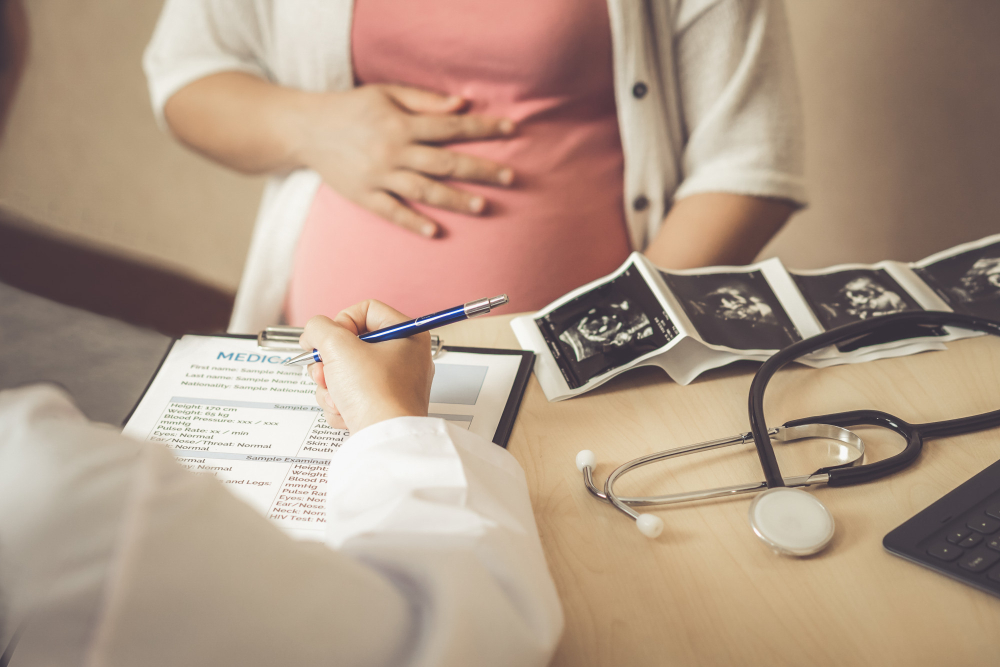
What is TORCH Screening?
TORCH screening in pregnancy is a group of blood tests. These tests check for infections that can affect a baby before birth. TORCH stands for Toxoplasmosis, Other infections, Rubella, Cytomegalovirus, and Herpes simplex virus. Each infection can cause problems for both mother and baby. Because of this, doctors often recommend TORCH screening for expectant mothers.
Why is TORCH Screening Important During Pregnancy?
Many infections in the TORCH group can pass from mother to baby. If this happens, it may lead to birth defects, growth problems, or even miscarriage. Early detection helps doctors manage risks. For example, some infections can be treated or steps can be taken to protect the baby. Therefore, TORCH screening is a key part of prenatal care.
When is TORCH Screening Recommended?
Doctors usually suggest TORCH screening in pregnancy during the first trimester. However, timing may change based on risk factors or symptoms. The Centers for Disease Control and Prevention (CDC) and the World Health Organization (WHO) recommend early testing for women with certain risks. In some cases, screening may be repeated if new symptoms appear later in pregnancy.
How is TORCH Screening Performed?
Many parents wonder, “How is TORCH screening done?” The process is simple. A healthcare provider takes a small blood sample from the mother. The lab then tests the blood for signs of the five main infections. Results usually come back within a few days. If any infection is found, more tests may be needed. Sometimes, doctors may also check the baby using ultrasound or other methods.
Who Should Consider TORCH Screening?
Not all pregnant women need TORCH screening. Still, some groups have a higher risk. If you fall into any of these categories, your doctor may recommend the test:
Even if you do not have these risks, your doctor may still suggest TORCH screening in pregnancy for peace of mind.
What Do TORCH Screening Results Mean?
TORCH test results show if you have had or currently have any of the infections. Here is what the results may mean:
If results are unclear, your doctor will explain the next steps. Sometimes, more tests or close monitoring are needed. Early action can help protect both mother and baby.
Prevention and Lifestyle Guidance for Expectant Mothers
While TORCH screening helps find infections, prevention is also important. Here are some tips for expectant mothers:
By following these steps, you can lower your risk of infection during pregnancy.
For personalized advice on TORCH screening during pregnancy, consult Dr. Ankita Ghatak. Early testing and good care can help keep you and your baby healthy.